Tag Archives: Shared Living Melbourne

Woman in power wheelchair walking with support worker in Melbourne neighborhood

SIL vs Core Supports: Understanding Expenses in Shared Living Melbourne

Moving into a Supported Independent Living (SIL) home across metropolitan Melbourne can raise many financial questions. Many Victorian participants and families assume the NDIS covers every household expense, but funding is divided into distinct categories with strict rules.

Understanding the difference between SIL funding, Core Supports, and personal out-of-pocket costs helps you budget confidently while avoiding unexpected living expenses in Shared Living Melbourne arrangements.

Who Is This Guide For?

This breakdown provides practical clarity for key stakeholders across Greater Melbourne:

  • First-time SIL participants preparing to move into shared accommodation.
  • Parents and family members planning supported living options.
  • NDIS Support Coordinators structuring funding proposals.
  • Plan managers verifying claims against NDIS line items.
  • NDIS nominees managing participant financial allocations.

Defining NDIS Funding Rules in Shared Homes

Supported Independent Living (SIL) funds 24/7 support staff for personal care, cooking, and daily routines in shared arrangements. Core Supports cover flexible everyday needs like personal transport or consumables. Neither budget pays for rent, food, or utilities, which participants cover out-of-pocket using personal income.

NDIS Shared Living Budgets

NDIS-Funded (SIL / Core) Participant-Paid (DSP / Rent Assistance)
• 24/7 Support Worker Care • Bedroom Rent / Tenancy
• Daily Routine Assistance • Groceries & Board Meals
• Skill-Building Programs • Gas, Electricity, Water
• Disability Consumables • Internet & Personal Uses

What NDIS SIL Funding Covers vs What It Excludes

Understanding financial allocations prevents unexpected living expenses for families exploring Supported Independent Living Melbourne. The NDIS funds the active human assistance required to live safely in a home.

Through dedicated rostered care, SIL covers night support, morning personal care, meal preparation assistance, and shared household supervision.

According to the latest NDIS Pricing Arrangements and Price Limits, SIL funding is designed specifically for disability-related support rather than accommodation costs.

Funding levels are determined through functional capacity assessments and approved support ratios (such as 1:1, 1:2, or 1:3), ensuring participants receive care matched to their individual needs. It never pays for property acquisition or standard leasing fees.

Core Supports: Flexible Assistance Boundaries

Core funding provides everyday support across four categories: Assistance with Daily Life, Transport, Consumables, and Participate Community activities.

While general Core funds allow flexibility across everyday categories, SIL is managed as a “stated support” within Assistance with Daily Life. This keeps funding dedicated to designated rostered care workers.

Participants utilizing Daily Living Support Melbourne cannot swap SIL allocations to purchase high-cost assistive technology or pay standard living bills. Maintaining distinct allocations ensures core household staffing remains stable.

Functional Assessment and SIL Eligibility

SIL funding is not automatically included in every NDIS plan. Participants must demonstrate that ongoing 24/7 support is reasonable and necessary through detailed functional assessments and supporting evidence before funding is approved by the NDIA.

A Life Stage Transition specialist or support coordinator often assists during this evidence-gathering phase to ensure all daily support needs are correctly documented.

Out-of-Pocket Expenses: Rent, Food, and Utilities

Every resident in a shared arrangement pays out-of-pocket costs known as room and board. These personal expenses are typically funded through the Disability Support Pension (DSP) and Commonwealth Rent Assistance.

Household Expense Item Funding Source Description
Support Workers (24/7 Care) NDIS SIL Funding Rostered personal care, overnight care, daily supervision.
Community Activities NDIS Core Supports Transport assistance and community access participation.
Bedroom Rent & Occupancy Participant (DSP / Rent Assist) Private lease contribution for living in the property.
Shared Meals & Groceries Participant (Board Contribution) Weekly pooled fund for food, cooking, and groceries.
Utilities (Power, Gas, Water) Participant (Board Contribution) Equal split of shared residential utility accounts.

Establishing clear residential agreements in an SIL Property guarantees total transparency regarding weekly contributions.

Optimizing Household Budgets and Skill Building

Combining daily assistance with the Development of Life Skills helps participants gain independence in meal planning, individual budgeting, and shared home tasks.

Every participant’s funding structure is unique. Raabta Care Services works alongside participants, families, support coordinators, and plan managers across Melbourne suburbs to help ensure funding is used appropriately while supporting long-term independence.

FREQUENTLY ASKED QUESTIONS (FAQ)

  1. Does NDIS Core Supports pay for rent in shared living?
    No. NDIS funding strictly covers support staff. Rent is an out-of pocket living expense paid via personal income or DSP.
  2. What is the difference between SIL and Core funding?
    SIL is a stated support for rostered care staff in shared homes. General Core funding provides flexible everyday assistance.
  3. How much do participants pay out of pocket for board in SIL?
    Out-of-pocket board usually uses 50% to 75% of the Disability Support Pension plus Rent Assistance, covering food and utilities.
  4. Can I transfer SIL funds to buy consumables or equipment?
    No. SIL is a stated support inside Assistance with Daily Life and cannot be moved to purchase products or equipment.
  5. Who pays for shared household groceries in SIL homes?
    Residents pool personal funds through a weekly board fee to cover shared groceries, food ingredients, and kitchen provisions.

GET IN TOUCH WITH RAABTA CARE SERVICES 

Unsure which household expenses are covered by your NDIS plan? Raabta Care Services can help you understand SIL funding, Core Supports, and residential costs before you move into shared accommodation. Speak with our Melbourne team today for personalized guidance tailored to your goals.

Daily Living Support Melbourne

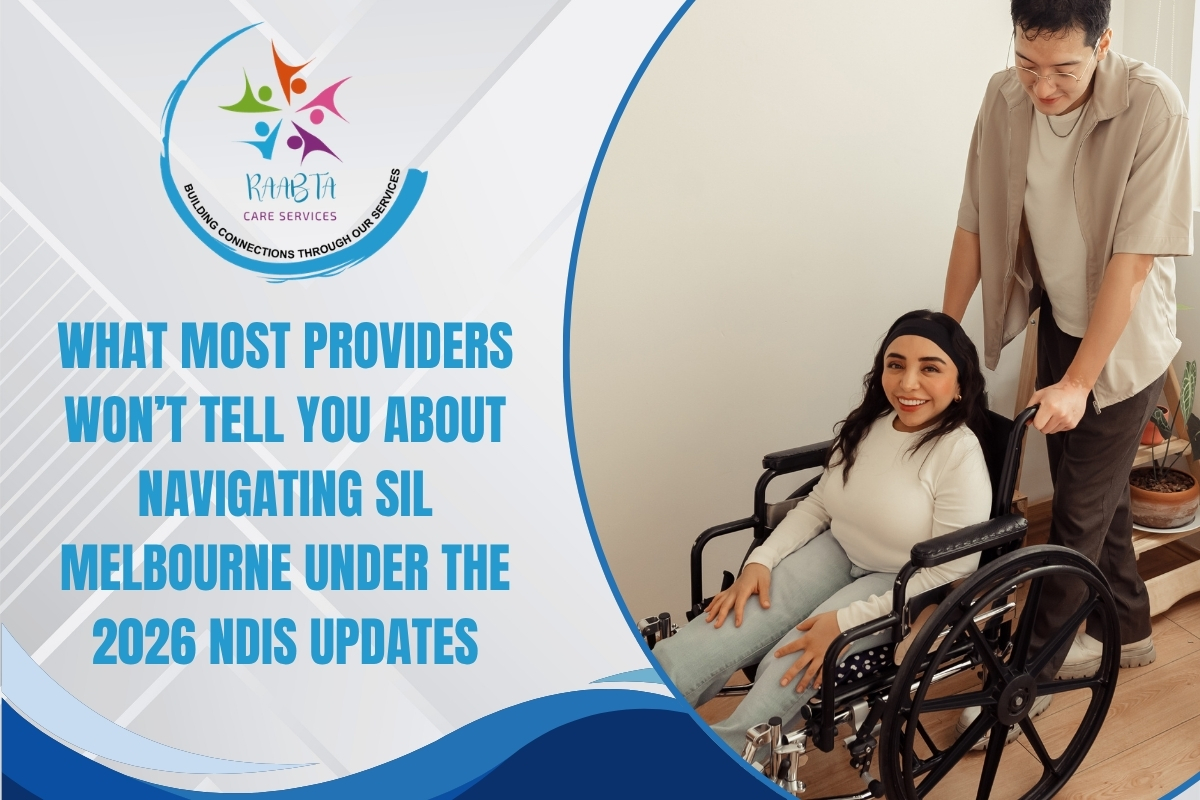
What Most Providers Won’t Tell You About Navigating SIL Melbourne Under the 2026 NDIS Updates

Finding the right housing and daily care setup can be one of the most emotional journeys an NDIS participant and their family will ever take.

Lately, shifting regulations around Supported Independent Living Melbourne arrangements have caused a great deal of confusion.

Many families are hearing conflicting information about how shared housing models are being funded moving forward.

At Raabta Care Services, we believe transparency is the foundation of trust. You deserve clear, unvarnished facts to confidently plan your independent future. Let’s pull back the curtain on how the 2026 NDIS guidelines impact your home and daily living budgets.

1. The Roster of Care (RoC) Faces Unprecedented Scrutiny

For a long time, submitting a high-intensity Roster of Care (RoC) was standard practice for securing overnight or 24/7 care. Under the newly implemented 2026 frameworks, planners are reviewing every single hour of requested line-item funding with extreme detail.

If your documentation cannot explicitly prove why a 1:1 or shared support ratio is required for specific tasks, the NDIA is defaulting to lower-ratio funding models. Securing evidence-backed Daily Living Support Melbourne ensures every hour listed on your roster is fully justified by functional necessity, not just preference.

2. A Shift Toward True “Shared Living” Efficiencies

The federal government’s focus on long-term scheme sustainability means solo SIL arrangements are becoming incredibly rare. The NDIA is actively prioritizing Shared Living Melbourne models that encourage participants to share core support staff.

What many agencies hide is that if a vacancy occurs in your shared home, your funding might face administrative pressure during reviews. Partnering with a proactive provider helps keep your living arrangements stable, compliant, and well-matched to compatible housemates.

3. Clear Separation Between Housing and Care

The strict regulatory wall between Specialist Disability Accommodation (SDA—the physical building) and SIL Melbourne (the care services provided inside) is being policed more rigidly than ever.

Planners are looking to eliminate any conflict of interest where a participant feels forced to use a specific care provider just because of where they live. You have the absolute right to choose your care team independently of your tenancy agreement, preserving your choice and control.

4. Mandatory Skill-Building Goals in SIL Environments

SIL is no longer viewed by planners as a passive, lifetime care placement. Under the 2026 rules, your daily care routines must actively demonstrate a focus on capacity building.

If your support logs only show staff doing things for you rather than teaching you how to do them, your daily core budget faces risk during scheduled renewals. True independent living means learning the micro-steps of meal preparation, household management, and home safety at your own pace.

5. Stricter Compliance for Supported Independent Living Providers

To protect vulnerable participants, the government has introduced rigorous safety and quality practice standards specifically targeting high-care settings.

Unregistered independent workers or unaligned agencies are facing major legal boundaries when delivering complex, 24/7 shared care. Working with a fully registered, established NDIS Provider Melbourne families trust ensures your housing setup remains legally compliant and entirely safe from sudden service disruptions.

6. FREQUENTLY ASKED QUESTIONS (FAQ)

What is the main difference between SIL and Shared Living?

SIL Melbourne refers specifically to the NDIS funding for support workers who help you build skills and complete daily tasks inside your home, while Shared Living Melbourne is the broader arrangement of sharing a household with other participants.

Can I choose my own SIL provider if I move into a shared home?

Yes. Under current guidelines, your housing agreement and your support services must remain distinct, allowing you to choose a team specializing in Supported Independent Living Melbourne that aligns with your goals.

Will my SIL funding be cut if a housemate moves out?

Existing plans generally remain secure during vacancies, but closer scrutiny is applied during renewals. It is vital to work with a provider that manages occupancy matches efficiently.

Does Daily Living Support cover my rent or groceries?

No. NDIS funding for Daily Living Support Melbourne explicitly covers support and care services. Everyday lifestyle costs like rent, utilities, and groceries must be paid out of your personal income or disability pension.

How does Raabta Care ensure compliance with the 2026 rules?

As a registered provider delivering Supported Independent Living Melbourne, we follow rigorous federal safety standards and maintain meticulous data-tracking to ensure your funding aligns perfectly with updated compliance laws.

Get Started

Secure Your Peace of Mind with Raabta Care Services

Moving into independent housing or restructuring your daily care shouldn’t feel stressful or overwhelming. At Raabta Care Services, we help Melbourne families navigate these intricate funding updates while keeping your personal dignity and choices front and center.

We focus on building stable, calm environments, gathering bulletproof functional evidence, and making sure your home care routines are entirely audit-safe. Let’s work together to protect your independent lifestyle.

Get in Touch With Our Friendly Melbourne Team Today

Phone Channel: 0490 717 220

Email Channel: info@raabtacareservices.com.au

Connect With Us:

Facebook: https://www.facebook.com/raabtacareservices

Instagram: https://www.instagram.com/raabtacareservices

Twitter: https://x.com/raabtacare

LinkedIn: https://www.linkedin.com/company/raabta-care-services